


Global vaccine leader Peter Hotez delivers landmark Burnet Oration
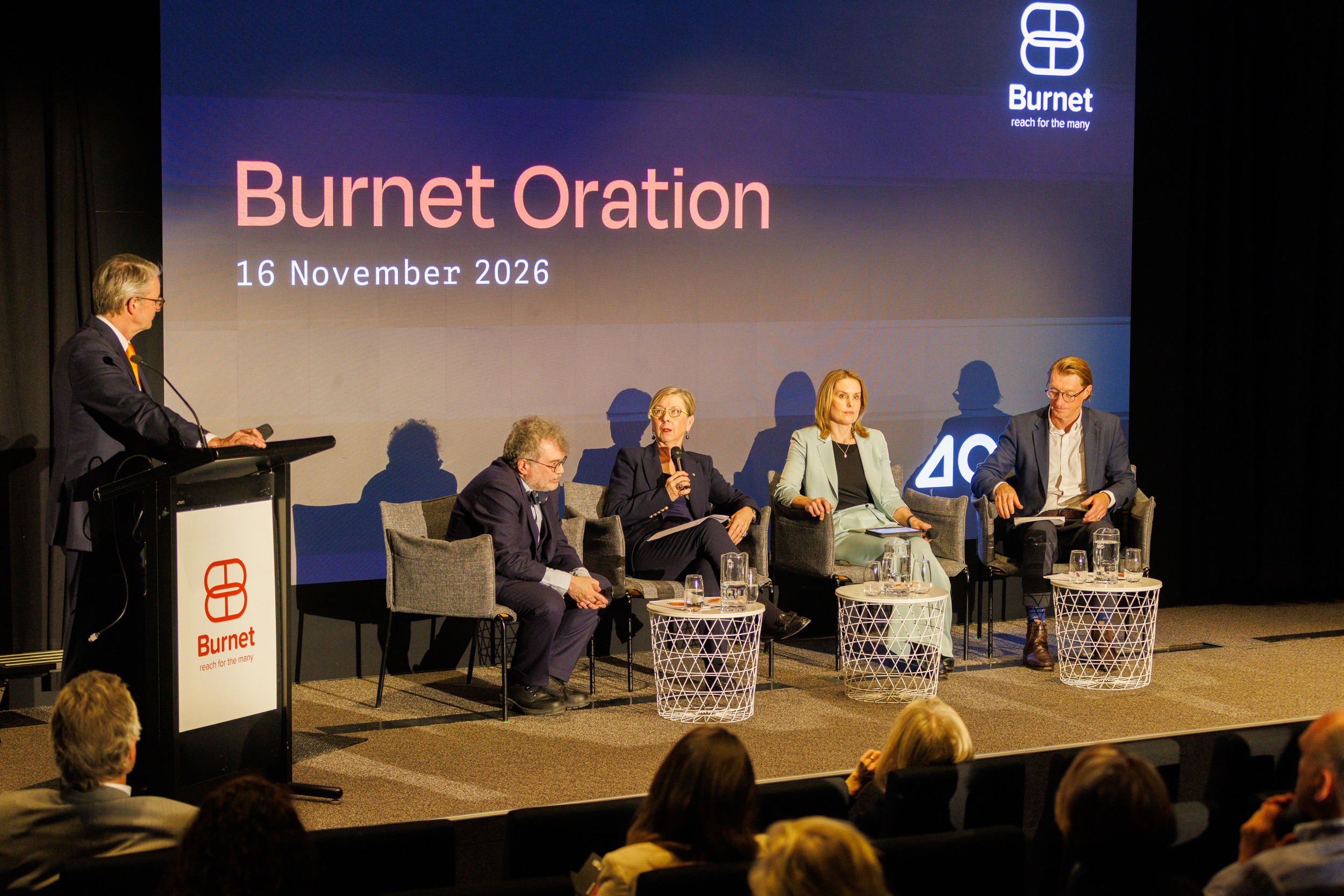
One of the world's leading vaccine scientists, Professor Peter Hotez, joined Burnet in Melbourne this week to deliver our Oration, marking a major milestone in our 40th anniversary celebrations.
The Oration – Burnet's most prestigious lecture – brought together staff, students, partners and supporters to reflect on 4 decades of scientific discovery and public health impact, and the challenges shaping the next generation of global health.
A renowned paediatrician, vaccine developer and researcher at Baylor College of Medicine and Texas Children's Hospital, Professor Hotez has dedicated much of his career to tackling some of the world's most neglected infectious diseases.
He is widely known for his public health advocacy and his outspoken efforts to combat anti-science activism and vaccine misinformation.
Peter’s work creating low-cost vaccines for people in low-income countries echoes Burnet’s commitment to ensuring everyone, no matter where they live, has access to affordable healthcare.
Are pandemics the new normal?
During the COVID-19 pandemic, journalists asked Peter the same question repeatedly: why are disease outbreaks increasing around the world?
Speaking at the oration, he warned that the world is facing a growing convergence of infectious disease threats, fueled by climate change, rapid urbanisation and changing environmental conditions.
That includes outbreaks of Ebola, Zika and COVID-19 in the last 2 decades, as well as rising threats like yellow fever and Japanese encephalitis in tropical areas.
Another cause is the growth of “hot and sweltering,” fast-growing megacities, like those in Texas, where people are crowded together.
But he said there was cause for optimism.
Defending science and building trust
Peter pointed to the ways innovative public health approaches like wastewater testing had been used to detect COVID-19, H5N1 bird flu and other diseases.”
At Texas Children’s Hospital, Peter founded a centre for vaccine development to address neglected infections, like hookworm, that disproportionately impact people in low-income countries.
Working with the Developing Country Vaccine Manufacturers Network, he worked on setting up local production of vaccines across the world, distributing them at scale.
That work led to the development of a vegan (and the world’s first halal-certified) COVID-19 vaccine, which was widely used throughout Indonesia.
In his Oration, Peter also discussed themes from his new book Science under siege about the rise of the anti-science movement.
Against a backdrop of measles and pertussis outbreaks in the United States, Peter urged scientists not to underestimate the scale and influence of organised anti-science movements, warning that scientific breakthroughs alone are not enough to protect communities from preventable diseases.
“In our university setting, we speak in euphemisms – we call it infodemic, or misinformation, like it’s just some random junk out there on the internet,” he said.
“But it’s not; it’s organised, it’s politically motivated and it’s financially motivated.
— Professor Peter Hotez
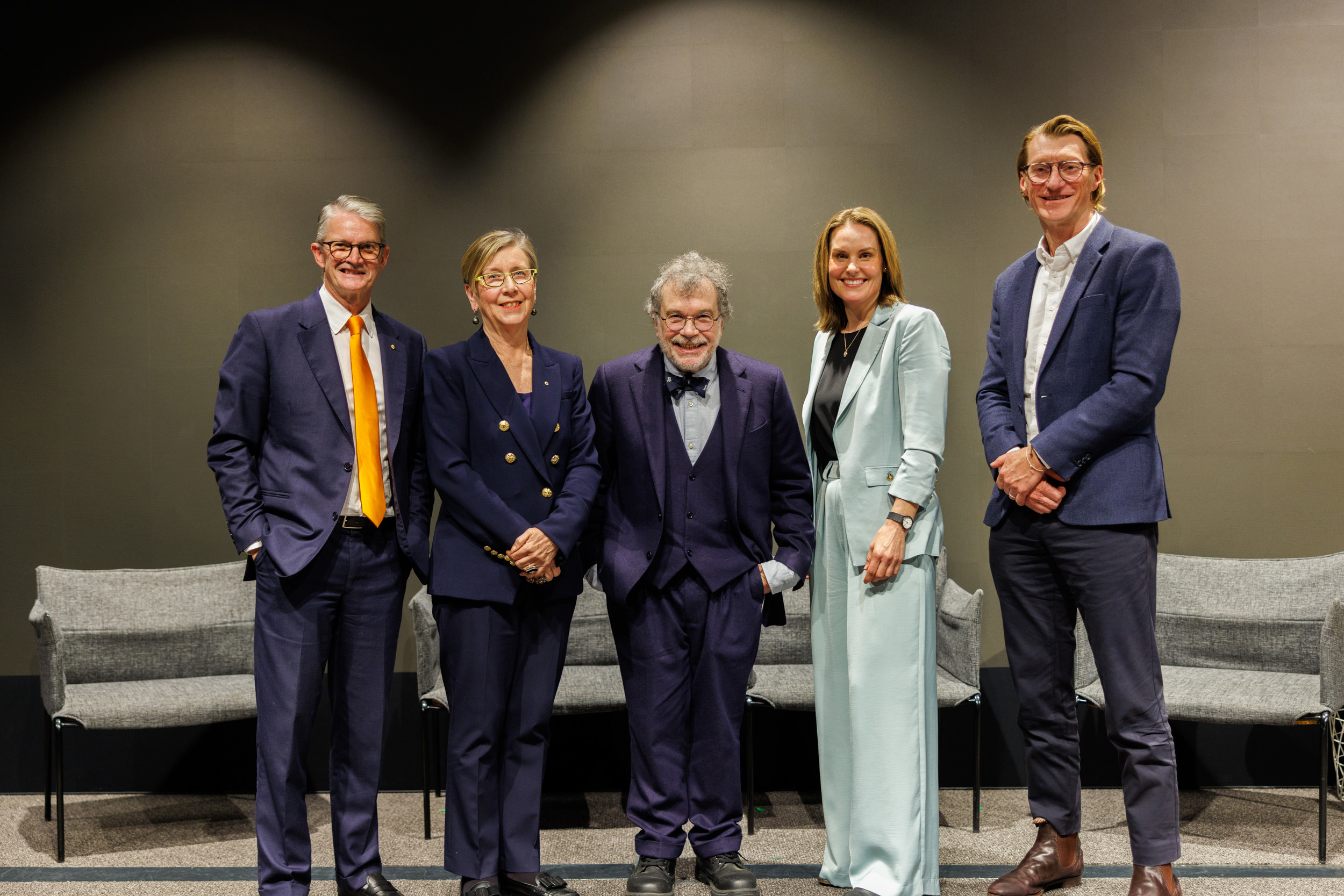
The event also featured a panel discussion with Peter, Professor Jane Halton AO PSM, Professor Andrew Steer and Emily Rice, bringing together leading voices to explore the challenges and opportunities facing global health.
During his time in Melbourne, Peter met with our key industry partners at a roundtable hosted by Burnet.
He also delivered a lecture at the Melbourne Press Club to speak with the media about learnings from the United States to counter misinformation.
His visit attracted significant national and international media attention, helping bring Burnet's expertise and public health messages to audiences well beyond the Institute.
We’d like to specifically thank the Public Affairs team, and everyone across the Institute who took the time to attend the events to celebrate our 40th anniversary.
