


The research you set in motion
With your backing, we're investigate emerging bat viruses before the next pandemic arrives.
With sustained backing from donors, Burnet has built a specialist team to investigate emerging bat viruses, assembling the knowledge and tools we need to confront the next pandemic – before it takes hold.
Bats live alongside viruses that can devastate humans – and yet they continue to thrive. Unlocking the secrets at the heart of that unique resilience could reshape the way we prepare for the next pandemic – and thanks to you, our Retroviral Biology and Antivirals group is well on the way to doing exactly that.
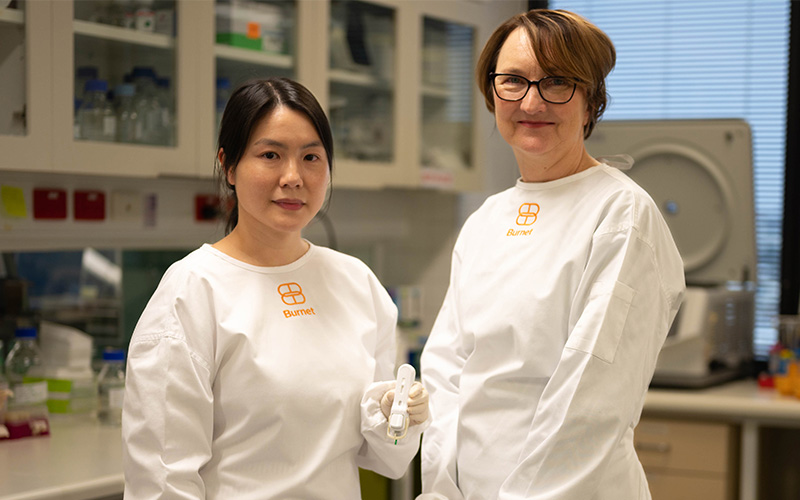
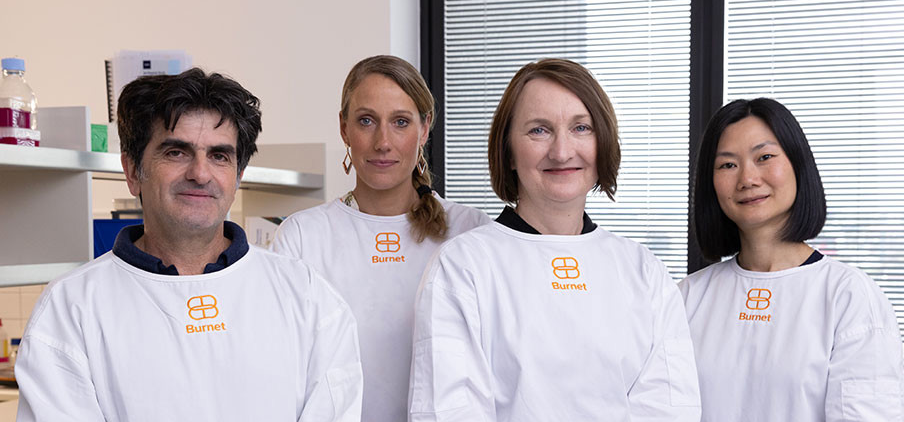
In recent years, generous donors like you have contributed close to half a million dollars to the team led by Professor Gilda Tachedjian and Dr Joshua Hayward. That generosity has allowed the group to grow in depth and capability, pushing this work further and faster than would otherwise have been possible.
With your backing, the team characterised the first infectious bat retrovirus ever discovered, the Hervey pteropid gammaretrovirus (HPG), found in Australian black flying foxes. Laboratory studies showed that HPG can infect both bat and human cells under controlled conditions. This places it within a group of retroviruses the World Health Organization classifies as “Pathogen X” – viruses recognised as potential future pandemic threats. The next step is to determine whether HPG poses a threat to humans in a suitable laboratory model. Equally important is understanding why bats don’t get sick and how this could help protect humans from viruses now and in the future.
But the story doesn’t end there. HPG was recently detected in a grey-headed flying fox diagnosed with lymphoid leukaemia. That finding has opened an urgent new line of inquiry: could this virus contribute to blood cancers in bats, and what might that mean for human health?
These are complex questions, and your support has helped expand the team pursuing answers. In 2025, Nancy Wilson joined the team to investigate the potential cancer risks of HPG. Now undertaking her PhD, she is carrying this work into its next phase.
Discovery science at its most foundational, it is the kind of work that keeps our communities safe, equipping us with the knowledge and tools to respond with speed and confidence when new viruses emerge.
This progress wasn’t by chance – your belief in preparation helped build the team to deliver it.
More from the Autumn 2026 newsletter
View 9 more
23 Sep 2026
Message from the CEO: Your commitment, in action
From Burnet Director and CEO Professor Brendan Crabb AC.

23 Sep 2026
Honouring our former Chair and welcoming new leadership at Burnet
Burnet honours an extraordinary legacy and welcomes new leadership.

23 Sep 2026
Thanks to you, young people in Myanmar have somewhere to turn
Your generous support helps create safe community spaces for young people.