


Clean indoor air
Indoor air quality has attracted global attention due to increasing awareness of the negative impacts of airborne hazards. These include pollutants such as bushfire smoke, vehicle emissions and pollens, and pathogens such as airborne viruses, bacteria and fungi.
Burnet is leading critical efforts to improve indoor air quality and reduce exposure to airborne hazards including pollution, allergens, and viruses. Our work is aimed at generating an evidence base for acceptable, feasible and cost-effective models for indoor air quality monitoring, improvement and management. Our project ‘Pathway to Clean Indoor Air in Victoria’ brings together leading experts to develop evidence-based solutions for schools, workplaces, and public spaces, to support the management of indoor air quality in Victoria for enhanced health, economic and social benefits.
Download brochure
-
Clean indoor air: 2024 collaboration and global action
The "2024 Clean Indoor Air" report highlights the significant health and economic impacts of poor indoor air quality. It urges national collaborative action for transformational public health benefits and productivity gains.
Clean indoor air brochure [PDF 6.6 MB]
Why indoor air quality is important
Australians spend 80-90% of their time indoors. The quality of the air we breathe outdoors is regulated, but the quality of indoor air is not.
There are many well-recognised indoor air hazards, including air pollution and airborne diseases. Indoor air quality has significant impacts on health, cognitive function, and productivity.
The young, the elderly, those with existing health conditions and those in marginalised communities suffer most from poor indoor air quality. This makes clean indoor air a fundamental requirement for an inclusive society.
Workplaces have an obligation to provide a safe workplace for employees. Air quality is not excluded from occupational health and safety regulations.
In 2024, Burnet began leading the Victorian Government’s Pathway to Clean Indoor Air project.
The project will run for 2 years and aims to reduce the health, social, and economic impacts of indoor airborne infections and hazards. Air quality monitoring and low-cost solutions, including ventilation and air cleaning (filtration) interventions, will be tested in schools, workplaces, and public spaces.
This world leading innovative project, led by Burnet, brings together a consortium of experts from various institutions to co-design and deliver the program of work, in partnership with the Victorian Government. Consortium partners include the University of Melbourne, Monash University, Training Centre for Advanced Building Systems Against Airborne Infection Transmission (THRIVE) and Amazon Web Services (AWS).
Video: causes of indoor air pollution and how to improve air quality at home
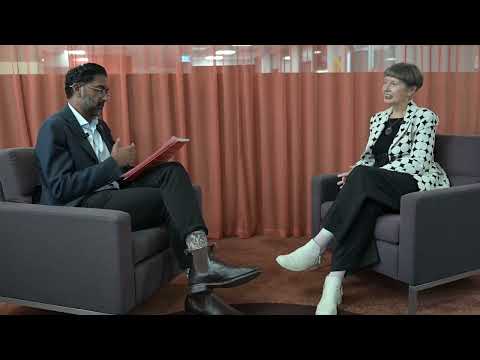
Burnet's Chief Health Officer Suman Majumdar and Queensland University of Technology Distinguished Professor Lidia Morawska discuss indoor air quality.
Suman Majumdar:
So most people think of air pollution as an outdoor problem. Exhaust fumes, factory smoke. Why is indoor air more important? What's actually inside the air in our homes, our workplaces and our public spaces that we should know about?
Lidia Morawska:
Well, there are lots of reasons, several of them, why indoor air is even more important than outdoor air. First of all, we spend most of our lives indoors, more than 90% of times we are inside. Secondly, air from outside penetrates indoors. So everything which is outside, or in terms of composition, will come indoors for some fraction of this. So we have outdoor air pollution indoors as well. But in addition to this, there are indoor sources, and in particular, if ventilation is not adequate, so concentrations of these pollutants from the indoor sources keep accumulating, including pathogens which we emit if we're infected. So we have everything from outdoor anything emitted indoors, pathogens, and we spend most of our time there. So this is the issue.
Suman:
So can the air inside typical building be worse than the outside?
Lidia:
Air inside can definitely be worse in situations when, in addition to what comes from inside, there are sources indoors. And those sources could be combustion sources, but could be any other sources, like sources of volatile organic components from products which we have indoors. So if this accumulates, then indoor air is worse than outdoor air.
Suman:
What are some of the consequences of poor indoor air quality on the health or society broadly?
Lidia:
Similar to the consequences of air pollutants full stop. So when we are talking about the consequences, for example, of exposure to particulate matter, whether it's from inside or outside, the consequences are the same. And basically there's no organ in our body, which is not affected by particulate matter. So the consequences are similar.
Suman:
Are there specific impacts on people's health that we know about from poor air? Is it as bad as having poor water?
Lidia:
Different, but as bad, clearly as bad. As I said, there's no organ in our body, which is not affected by air pollution. There are short-term impacts, long-term impacts, and mortality, morbidity, full stop impacts are serious.
Suman:
So knowing this, what can we do to improve air quality?
Lidia:
This is, of course, a big question how to improve air quality, but the first and the most important point is to control emissions. Because if we can control emissions, if there's less pollution in the air, then there's less impact. So we are talking about reducing emissions from any combustion sources, transition to clean energies, particularly in terms of outdoor operating sources, vehicles, industry and so on, but the same of indoor sources. Any products which we bring inside and operate inside should be as least emitting as possible. The problem is that we don't have sufficient regulations in terms of what the products emit. Ventilation on removing from indoor air pollutants, which are emitted indoors. And finally, humans as a source. We emit, as I mentioned, pathogens if we are infected, but we emit also other products, in particular carbon dioxide. And the concentration of carbon dioxide can increase significantly and can have lots of impacts, one of them, even if it's not a health impact, it's an impact on cognition and performance.
Suman:
You were one of the most influential scientists in the world on the issue of indoor air quality. And last year you won the Prime Minister's Prize for Science. You also played a key role in challenging the official dogma that respiratory diseases like colds and flus and particularly COVID spread through droplets that land on surfaces. And you challenged that very publicly. Can you describe what fundamentally changed in our understanding of how these airborne diseases are transmitted?
Lidia:
When the pandemic started, the dogma, prevailing dogma, was that infection is transmitted through surfaces. So there are those big droplets which don't stay in the air, they land on the surfaces, and therefore the most important is to clean the surfaces, clean hands. So we would see people in supermarkets with gloves and not masks. We knew, and by we, I mean scientists, scientists and the big fraction of medical community as well understood this very well, that the most important is the other particles with the pathogens which are in the air, they are much smaller. So it's not that big, big droplets we sometimes see when somebody's picking is overexcited, but the much smaller particles which can stay suspended in the air for much longer. We had evidence for this for a very long, long time. But to persuade this and make this accepted by the World Health Organization and by national public health authorities, this was the challenge. But the evidence was there and present this evidence such that it is or forced the evidence that was the challenge.
Suman:
So now we're a few years on. What is the work you're doing that's continuing to influence the science and the policy around indoor equality
Lidia:
Well, there are science, technologies and policies. In terms of science, as a scientist, I would always say more science is needed. That's what apparently scientists say all the time. And of course, there are many scientific areas which need to expand. But in general, we have science which is needed to influence implementation and policies. We also have technologies, many technological solutions, which are necessary for implementation for clean air. What's needed are in particular policies and in particular regulations in relation to clean indoor air. We have policies regarding outdoor emissions, outdoor emission sources, be it emissions from vehicles, which we import from outside, power plants, industries and so on. We also have for outdoor air, we have air quality standards. For indoor air, we have only construction codes, national construction codes, which are not about the performance and emissions, but we don't have standards for air quality indoors. And that's what's desperately needed. And that's what our focus now is to explain that it's needed and also that it is possible to introduce standards like this because we have science and we have technologies.
Suman:
For someone who's watching this, thinking about air quality in their own home, in their workplace, what are some important things they can do today?
Lidia:
Well, the first most important thing is to realize that this is a problem. Even so you don't see pollutants in the air, well, if you see that that's a real problem, but even if you don't see pollutants, they are there. So understanding that pollutants could be there, that's the first important point. And then thinking in terms of where do they come from? Are you operating a source which is emitting them? So in indoor environment, well, we all cook. If we cook without a hood, so any emissions, whether from the fuels which we use for cooking or from the process of cooking, spread around the kitchen, around the home. So use a hood. But we also bring and deliberately introduce sources. For example, candles. Why do we use candles? There is a combustion source and we sit at the table and emit this. So thinking about this, what is a source and whether we need to operate this source. So it's very, very important. And the same, of course, applies to workplace, our offices or schools. Of course, the sources are different because we don't necessarily cook in our office. But we are the source, particularly if we share the office or meeting room with others. So we are the source. So thinking about ventilation, thinking about how to make sure that we are not affecting each other by our emissions or any source specific. So just be alert to potential sources. This is very important.
Suman:
Are there ways that people can understand what's in the air and things they can do about poor air?
Lidia:
Well, there are lots of ways. You can read about this and there's plenty literature about this. So there is no doubt about this. But there are also lots of small tools like monitors.
Lidia:
Buying a monitor, like, for example, a CO2 monitor, which you can have in the palm of your hand or in your handbag or in your pocket and just measure the concentrations of CO2, but also other pollutants. So this is one of the best ways to kind of start learning. And that's that aha moment. Oh, yes, really. It is this high here. Oh, it's lower here. That's very important as well.
Suman:
And what about for parents or people that go to school and children? How do they make the air, indoor air quality inside a school or a childcare centre better and take this issue seriously?
Lidia:
Well, schools are a particularly difficult environment. One of the problems is that the majority of schools in Australia are naturally ventilated, which means they depend on opening windows. If the windows are closed because it's too cold, too hot, too noisy, too unsafe, or for any other reasons, there's basically no ventilation. If there's no ventilation, anything emitted in this environment, and these are emissions from children, from staff, but also emissions of the products. There are lots of products like art products, which emit pollutants. There's lots of dust brought to the schools. So understanding that that's the problem in this kind of environment is the starting point. But then parents influencing the schools to take active measures against this. So indeed, if you can open the window, open that window. But otherwise, there are other measures to lower the concentration of pollutant. And taking those measures is very important.
Indoor air hazards
Indoor air hazards include pollution and airborne pathogens.
Pollution
Indoor pollution includes:
- smoke from bushfires or wood heaters
- vehicle emissions
- pollens and allergens
- gas from stoves
- chemicals from paint, furniture and cleaning products.
Even though most air pollution originates outdoors, being inside doesn’t protect us. Pollutants move freely through windows, doors and vents. Most of our exposure to outdoor air pollution happens when we are indoors.
PM2.5 particulate pollution
PM2.5 is the scientific name for less than 2.5 ug/m3 tiny airborne particles that can penetrate deep into the lungs and bloodstream. Sources of PM2.5 include smoke from fires and wood burners, vehicle exhaust and industry emissions. According to a 2024 study published in the British Medical Journal there is no safe level of exposure to PM2.5. Even minimal exposure causes an increase in hospital admission for cardiovascular disease.
Airborne pathogens
Airborne pathogens, including airborne viruses and bacteria, can easily transmit from one person to another in buildings that are poorly ventilated, with no air purification or disinfection systems. This has a major impact during pandemics and significantly contributes to the spread of endemic respiratory illnesses such as seasonal influenza, tuberculosis, and common cold viruses.
Climate change and indoor air quality
Climate change is increasing the frequency of events that impact indoor air quality, such as:
- bushfires, which cause smoke pollution
- floods, which cause dampness and mould.
Benefits of clean indoor air
Clean indoor air can improve people’s health and cognitive function. It can also prepare us for future pandemics.
Schools can benefit from improved academic achievement, an inclusive environment for students with asthma, and lower absenteeism due to illness.
Businesses can benefit from improved productivity and staff taking fewer sick days.
Health
Our short-term and long-term health is directly impacted by the air we breathe. Poor air quality can also exacerbate pre-existing diseases and interfere with the treatment of other conditions, including cancer.
Recent studies have found an association between poor air quality and the 10 leading causes of death in Australia in 2022:
- coronary heart disease
- dementia, including Alzheimer’s
- COVID-19
- cerebrovascular diseases
- lung cancer
- chronic lower respiratory diseases
- diabetes
- bowel cancer
- blood and lymph cancers
- urinary diseases.
Cognitive function
A 2014 study by Harvard, Syracuse and SUNY Upstate Universities found that people in buildings with better air quality experienced improved mental abilities. On average, cognitive function test scores doubled in buildings with enhanced ventilation and low levels of exposure to dangerous chemicals commonly found in paints, glues, cleaning products and printers.
A 2018 study of commercial airline pilots flying in simulators found that better air quality resulted in significantly better advanced manoeuvres.
Productivity
A range of studies have investigated the impact of improved ventilation and indoor air quality on productivity in the workplace. They have estimated improvements in productivity of between 1% and 4%.
Pandemic preparedness
Improving indoor air quality is essential to preparing for future pandemics. Indoor air quality systems would allow schools, workplaces, and public buildings to remain open and be regarded as safe spaces during pandemic periods.
Action towards clean indoor air
Australia needs a comprehensive public policy approach to improve indoor air quality across all buildings. Policy leadership is essential to establish appropriate standards for new construction and to develop strategies that improve air quality in existing buildings.
Many other nations have already taken actions to improve indoor air quality, including implementing regulations, standards or guidelines for building design and operations.
In Australia, the Victorian Government’s Pathway to Clean Indoor Air in Victoria is an example of a program aiming to build evidence and knowledge to help guide policy change.
There are key actions that will accelerate the pace of change:
Develop indoor air quality frameworks
Recent scientific consensus published in 'Science' by Morawska et al in March 2024 provides important evidence for policymakers. Their review of air quality factors including PM2.5, carbon dioxide, carbon monoxide and ventilation rates offers valuable insights for developing appropriate policy frameworks. Clear guidelines or standards would enable coordinated action across sectors.
Educate the community
A clean indoor air campaign would increase public awareness of the importance of clean indoor air. An informed public should understand simple measures of indoor air quality and know what actions to take to improve it.
Monitor and display indoor air quality data
CO2 monitors should be installed in shared indoor spaces. This should start with high priority settings, such as hospitals, schools, childcare centres, aged care facilities, disability services, public transport, workplaces, and retail precincts. Employees, consumers, school children and their families should be informed about the quality of the air in these settings and know the actions they can take to improve indoor air quality.
Implement engineering solutions
Refreshing the air or purifying air can be achieved using well established techniques and technologies, including:
- natural ventilation, such as opening windows and doors and modifying window configuration to improve air flow
- mechanical ventilation: airflow controlled by Heating, Ventilation and Air Conditioning (HVAC) systems
- air purifiers that clean the air by passing it through several filters that can remove dust, viruses, bacteria, smoke particles and dangerous gases
- Germicidal ultraviolet light (GUV), which inactivates bacteria and viruses in the air. Burnet Institute is investigating how effective GUV is for disinfecting air and reducing COVID-19 infection in Victorian residential aged care facilities.
Clean indoor air around the world
Governments, schools and businesses around the world are recognising the benefits of clean indoor air and investing in a range of programs.
South Korea was the first country in the world to introduce an Indoor Air Quality Control Act in 2005. Recent amendments were adopted in 2023.
In 2022, the Belgian government introduced a new legal framework to improve indoor air quality in all enclosed areas accessible to the public. This includes a CO2 monitor display being mandatory in all public indoor spaces.
Legislation governing ventilation in schools and workplaces came into force in 2023, obliging employers to guarantee air quality and, if necessary, take measures to improve it.
In July 2024, the Indoor Air Quality and Healthy Schools Act was introduced to United States congress. The bipartisan legislation would require the US Environmental Protection Authority to:
- establish a list of significant indoor contaminants
- develop health-based, voluntary guidelines to reduce exposure risks
- develop or recognise voluntary indoor air certifications for buildings
- establish a national assessment of IAQ in schools and childcare facilities
- support development of technical assistance, guidelines and best practices to improve IAQ in these facilities.
A bill—Improving Air Quality for Our Children Act, 2023—is currently being considered by the Legislative Assembly of Ontario. The Bill calls for indoor air quality measurements, standards, and action plans to be implemented by publicly funded schools and childcare providers.
In 2023, Amazon Web Services rolled out a real-time air quality monitoring network in its offices around the world. They aim to increase worker productivity and meet occupational health and safety requirements.
JP Morgan Chase, the largest bank in the US, is building its new global headquarters on Park Avenue in New York, to be opened in 2025. The 60-storey skyscraper will have net zero operational emissions and indoor air quality that ‘exceeds the highest standards in sustainability, health, and wellness.’
In the United States in 2021, Boston Public Schools commenced a world-leading indoor air quality program, partnering with Boston University. This involved installing air quality monitors and air purifiers in all classrooms, hallways and nurses’ stations in 120 schools. A public dashboard displays real time data, engaging the whole school community.
Many US states, including Illinois, California, Colorado, Connecticut, New York and New Mexico have also implemented indoor air quality measures in public schools as have schools in Germany, Latvia and Serbia. In 2023, the UK launched the SAMHE project (Schools’ Air quality Monitoring for Health and Education), placing indoor air quality monitors into over 1000 schools.

Developing evidence-based solutions for clean indoor air
We're tackling complex challenges of pandemics and health emergencies through our flagship initiative, Know-C19.
News
View 2 more
Clean indoor air a critical blind spot in public health, Burnet tells NSW inquiry
Burnet Institute has called for stronger leadership on indoor air quality the New South Wales Legislative Council’s Inquiry into Clean Indoor Air.

Transformative project to improve indoor air quality in Victoria
Burnet welcomes the Victorian Government's $9.87m investment in the Pathway to Clean Indoor Air project.

Ground-breaking clinical trial to test the effectiveness of Germicidal Ultraviolet Light to fight airborne viruses
Projects

Using ultraviolet light to reduce COVID-19 in aged care homes (ELUCIDAR study)
Ultraviolet light has been used for decades to disinfect the air and prevent disease. This study explores using UV light to reduce COVID-19 infection in residential aged care facilities.

Pathway to Clean Indoor Air
A 2-year research project that tests solutions in real-world settings to identify scalable, evidence-based solutions for improving indoor air quality in schools, public spaces and public sector offices.