PNG women’s voices are critical to tackling multiple health risks for mothers and babies: new study
A landmark study in Papua New Guinea has found that including women’s voices can provide more effective treatment and prevention for women and infants experiencing multiple health problems simultaneously.
The study found nine in 10 pregnant women experienced a serious but treatable health condition that often goes undetected, and most women had multiple health conditions at any one time.
Eight in 10 women had iron deficiency or anaemia, more than half had an STI or bacterial vaginosis, and nearly one in four had a fever.
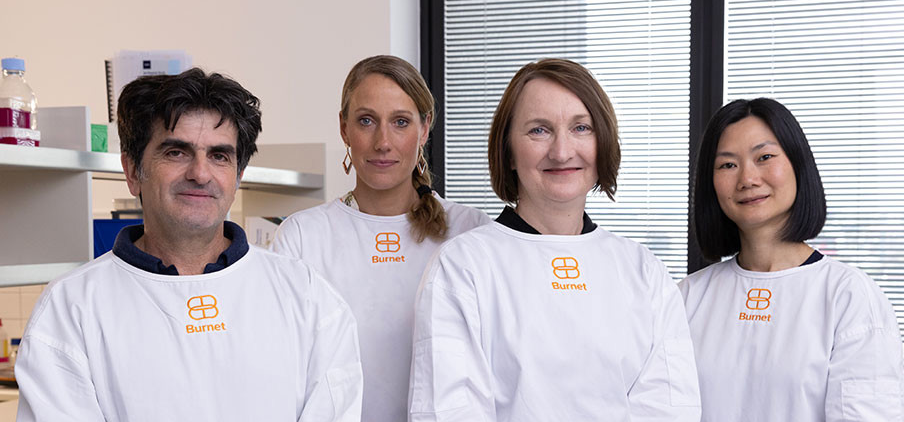
Professor James Beeson is Burnet’s Head of the Healthy Mothers Healthy Babies study, which followed women from their first antenatal visit through to 12 months after childbirth. He emphasised the need for integrated health services to address these health needs.
“Health care will have more impact if it identifies and responds to the full spectrum of health issues affecting women and infants, and better incorporates women’s health needs and preferences into health service planning and delivery,” Professor Beeson said.
By six months postpartum, the study found more than half of the women had anaemia and nearly a quarter had a malaria infection.
Their babies also faced significant health challenges: more than eight in 10 had been sick at least once, one in five showed signs of stunting from chronic under-nutrition and repeated infections, and one in four had moderate to severe anemia.
“These conditions are common and can lead to serious consequences for mothers and babies. We need health services that can address these multiple health issues in a holistic way,” Professor Beeson said.
As part of the study, researchers asked women questions during pregnancy and the first year after birth. These included: what health services they want and need, and how could they be best provided. Researchers found the women prioritised health checks for their babies, including illness care, nutrition and growth monitoring, information on vaccine and disease prevention, as well as health checks for themselves. This provides crucial insights into how to better provide comprehensive care.
More than 90% of women attended at least one immunisation clinic visit, making it a valuable point of contact between new mothers and the health system, where additional health services could be provided. But currently, few women received a check of their own health or their infant's health during this time.
The findings highlight the need to rethink current global approaches to integrated health care. Adding family planning to immunisation visits is currently recommended by international bodies, but the study found this was not a priority for women who are planning pregnancies, citing privacy concerns and the difficulty of personal counselling in busy clinics.
“This isn’t just a PNG problem, it is a global one. We need to build services around what women say they need, and at the contact points they are already using. The platforms are there, but unfortunately, they are not being used to their full potential,” Professor Beeson said.
The Healthy Mothers Healthy Babies Study was conducted in East New Britain Province, in partnership with Burnet, the PNG Institute of Medical Research, East New Britain Provincial Health Authority, Catholic Health Services, and the University of Melbourne.